01
Notice the familiar
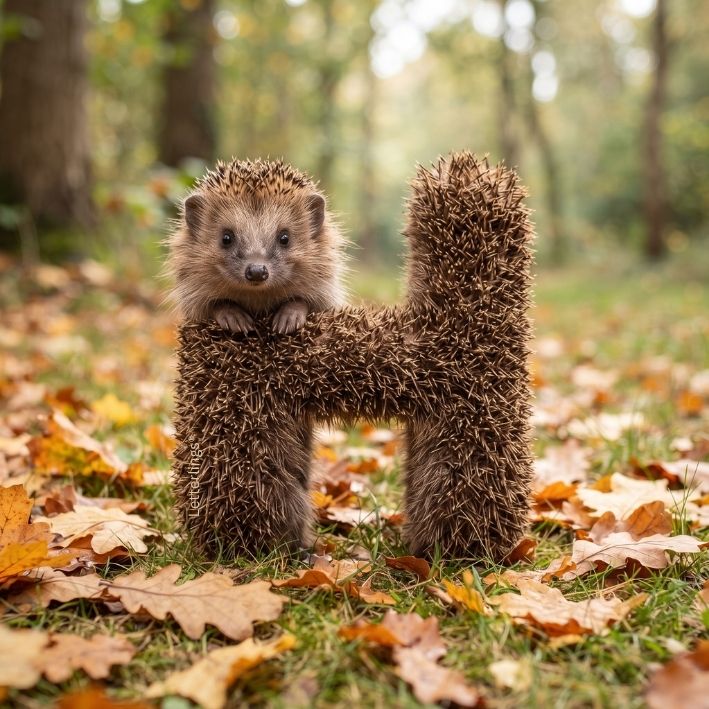
Start with something a child can recognize and name. The familiar disguise gives the child something meaningful to talk about.
 by Lighthouse Pages
The Letterlings® Method
Where familiar things become unforgettable letters.
In English, 26 friendly Letterlings live from A to Z. In their normal form they look like capital letters. But Letterlings have a little magic: they can hide in familiar things that begin with their letter or sound — while keeping their letter shape recognizable.
What are Letterlings?
Each Letterling has a natural form: its capital letter. The A-Letterling looks like A, the B-Letterling looks like B, and so on to the Z-Letterling.
Letterlings can use their magic with familiar things whose names begin with their letter or sound. A Letterling may disguise itself as that thing, or jump into something already there and make it take on its letter shape.
However the magic happens, one rule stays the same: the Letterling's letter shape remains recognizable.
Today it's an Apple-Letterling.
Tomorrow the same A-Letterling might choose a completely different disguise. The character stays the same; the disguise can change.
See the Letterlings magic ✦
Recognize the familiar thing, say its name and listen to its first sound. Then discover the Letterling shape that was there all along. Hover over a Letterling — or simply scroll on a touch device — to reveal the letter.


Learning with Letterlings
Letterlings are designed to give young children a concrete way into abstract letter shapes and sounds — and then help them move toward recognizing the ordinary letter on its own.
Start with something a child can recognize and name. The familiar disguise gives the child something meaningful to talk about.
Say the word together and listen to the sound at the beginning. The disguise points back to the Letterling it belongs to.
Notice the capital letter shape inside the disguise and gradually practise recognizing the ordinary abstract letter without the picture cue.
Inspired by the real world
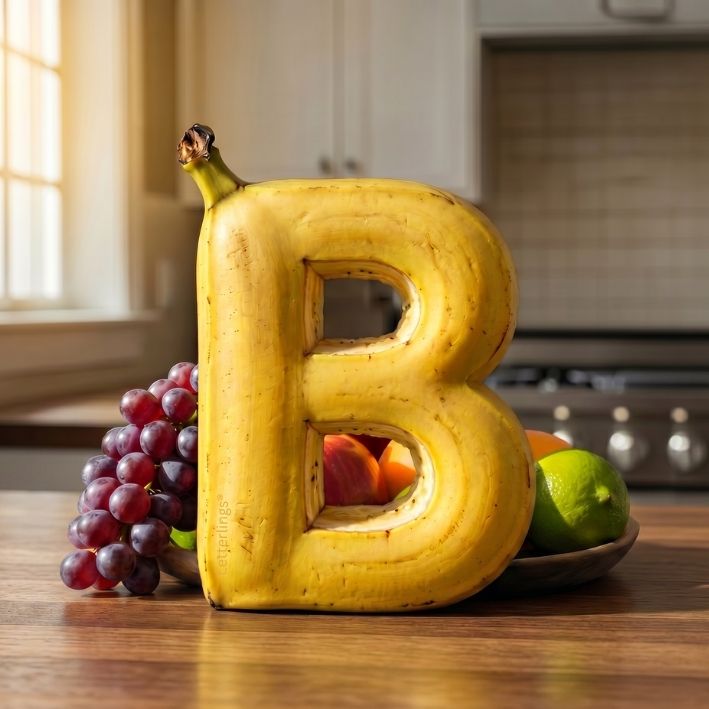
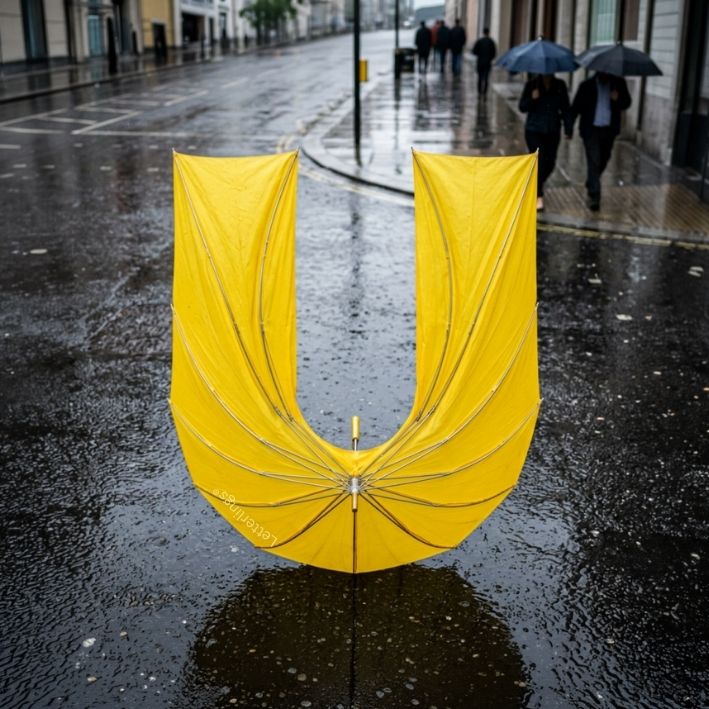
Letterlings use realistic visual clues because colour, texture, material and surroundings can help make a disguise recognizable. A banana can keep its yellow peel; a volcano can sit in a landscape; a seahorse can stay in its underwater world.
The challenge is always the same: make the familiar thing convincing without losing the Letterling underneath. The letter shape remains the foundation.


Research behind the idea
Letterlings are inspired by a broader research idea known as embedded picture mnemonics: the picture cue is integrated into the shape of the letter instead of being shown separately beside it.
Research has found that this kind of integrated visual cue can support beginners as they establish letter–sound relationships. In one study, five-year-olds learned unfamiliar letter–sound correspondences in fewer trials when the mnemonic picture shared the letter's shape, and remembered them better a week later. A 2026 classroom study with Turkish first graders also reported advantages in letter-recognition accuracy and speed for students taught with embedded picture mnemonics.
Letterlings themselves have not yet been established by these studies as a scientifically validated teaching programme. The research provides a relevant foundation for the design idea; evaluation of the specific Letterlings approach is a separate question.
Letterlings across languages
The magic depends on language. A familiar disguise has to connect naturally to the relevant letter and sound, so each Letterlings language edition is adapted with its own vocabulary, visual choices and expert feedback.
That means English Letterlings, German Letterlings, Spanish Letterlings and future editions can share the same underlying idea while choosing different disguises.
English is the first version of this new Letterlings website. Additional language editions will appear in the language selector as they are ready.
Letterlings FAQ
A Letterling is a friendly letter character whose normal form is its capital letter. In English there are 26 Letterlings, from the A-Letterling to the Z-Letterling.
An Apple-Letterling is the A-Letterling in one particular disguise. It is not a separate character: the A-Letterling can have many different disguises.
Letterlings use familiar things connected to their own letter or sound. The exact choices depend on the language and on whether the result keeps the letter shape easy to recognize.
No. Letterlings are individual letter characters with many possible disguises, not standardized typographic characters.
No. Letterlings can be adapted to different languages, but the disguises need to be chosen for the vocabulary, sounds and writing system of each language rather than simply translated.
Letterlings draw on research about embedded picture mnemonics and early letter–sound learning. That research supports the broader design principle, but the specific Letterlings system is not currently presented as a scientifically validated teaching programme.
Books, classroom materials and upcoming Letterlings products are collected on the Letterlings Products page.
Explore the Letterlings ecosystem
Start with the books, then discover the Letterlings products that are on their way.